How to Choose and Use the Right Kitchen Knive
Choosing the right kitchen knife helps you cut better, cook with greater precision and use every tool in the most suitable way.
Choosing the right kitchen knife helps you cut better, cook with greater precision and use every tool in the most suitable way.
The first criterion is understanding how you will use the knife in the kitchen. Each model has a specific function, and choosing according to use helps you work better, with more precision and safety.
In general:
Choose the knife you will use most often first, then complete your selection with more specific models.
The blade is the element that determines cutting precision, durability and control. A good kitchen knife should have a resistant, stable blade that can maintain its edge over time.
When evaluating the blade, consider above all:
Quality stainless steel is a suitable choice for everyday cooking because it combines hygiene, resistance and practicality. In more refined knives, the technical treatments applied to the blade also help improve performance and durability.
The handle should provide a comfortable, stable and secure grip. An ergonomic knife reduces hand fatigue and allows more natural movements, especially during longer or repetitive preparations.
Key aspects to consider include:
A good knife should feel stable in the hand: not too heavy, not too light and not unbalanced. Knife balance is essential for precise work.
Ideal for everyday preparations, cutting vegetables, meat, fish and mixed ingredient.
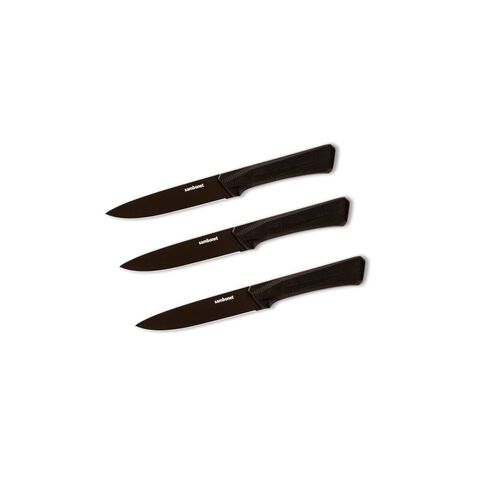
Using the right knife does not only help you cut better; it also protects the blade. A kitchen knife is suitable for everyday preparations, while a bread knife, paring knife or steak knife responds to more specific needs.
For example:
Using each knife according to its function helps preserve the edge and makes cutting more precise.
Kitchen knife care starts with simple gestures. After use, it is important to wash the knife carefully and dry it immediately, avoiding leaving it wet for a long time or in contact with food residues.
To preserve the blade:
These small habits help maintain cutting quality, hygiene and blade brightness for longer.
Storage is essential to protect the blade, the edge and safe use. Keeping knives loose in a drawer can cause knocks, scratches and loss of sharpness.
It is better to choose dedicated solutions, such as:
Storing knives correctly helps protect them over time and makes the kitchen more orderly, safe and functional.
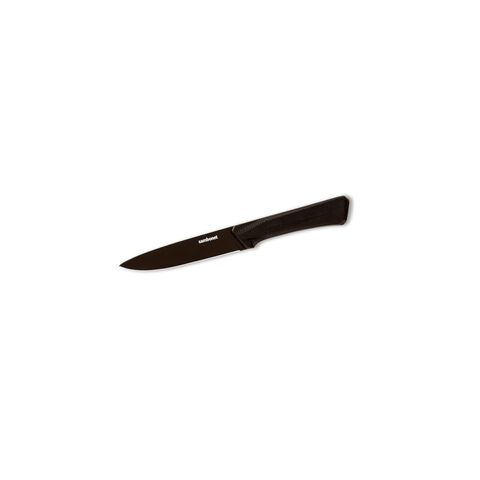
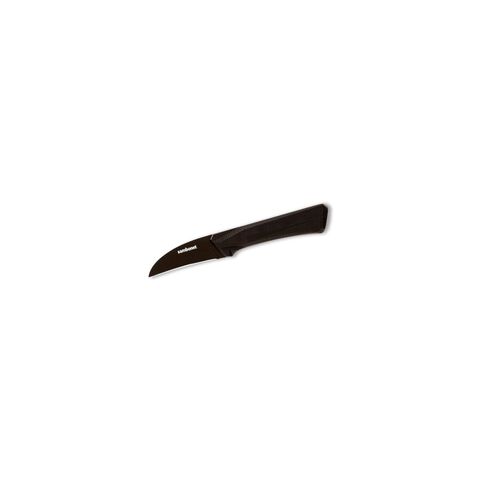
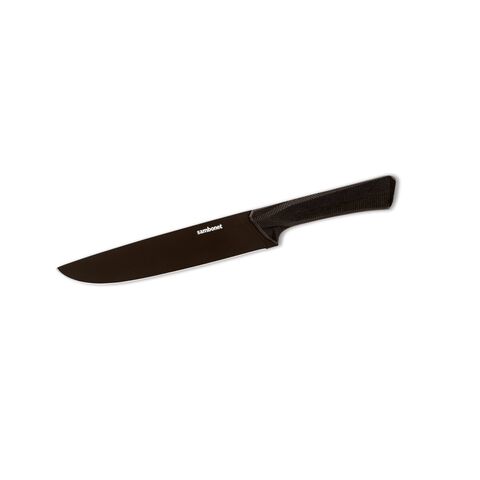
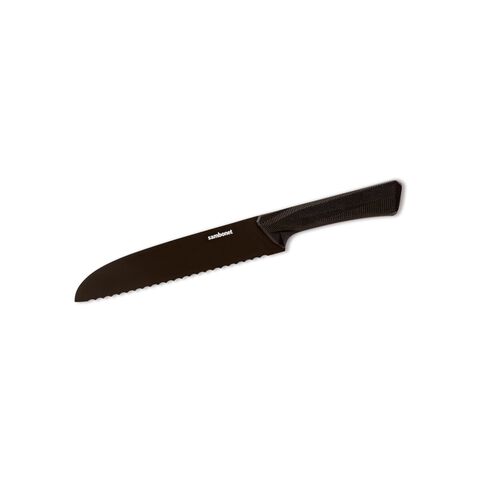
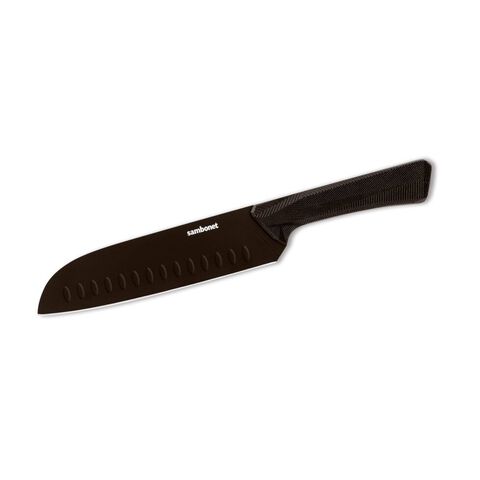
The Sambonet Black Edge collection is designed for those looking for kitchen knives that combine performance, comfort and a strong aesthetic identity.
Choose your new knife nowThe most useful kitchen knives are a kitchen knife or chef’s knife, a paring knife, a bread knife and a steak knife. You can also add an Asian-style knife for more precise cuts and a cheese and savoury knife for serving.
To choose a good kitchen knife, consider the main use, the blade material, the quality of the sharpening, the handle ergonomics and the overall balance. A good knife should feel comfortable in the hand, cut precisely and suit the preparations you make most often.
The kitchen knife, also known as a chef’s knife, is generally the most versatile because it can cut, slice, chop and mince many different ingredients. It is usually the best first knife or main knife for everyday cooking.
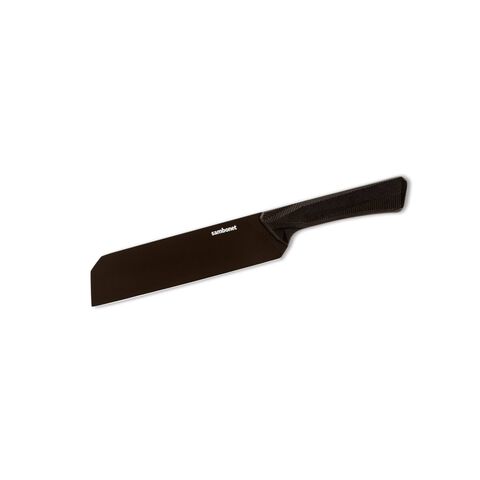
For bread, it is best to use a bread knife with a serrated blade. For vegetables and fresh ingredients, you can choose a kitchen knife or an Asian-style knife, while steak knives are more suitable for cooked meat served at the table.
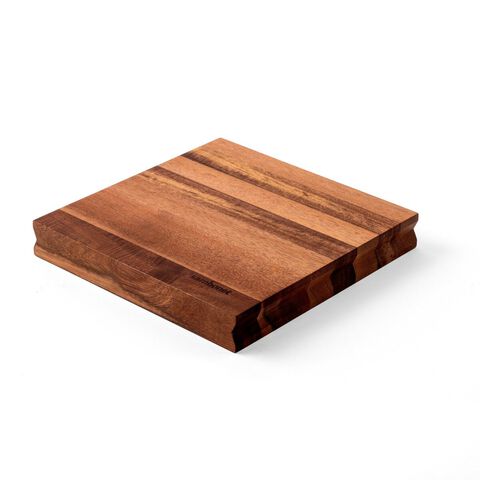
To keep kitchen knives sharp for longer, wash and dry them after use, avoid very hard surfaces and store them safely. A knife block, magnetic bar or blade guard helps prevent knocks, scratches and loss of sharpness.

Browse Sambonet.com using the latest version of Microsoft Edge, Chrome, Mozilla Firefox or Safari and prepare to dive into an extraordinary beauty experience.
Vielen Dank für Ihre Anmeldung. Wir werden Sie informieren, sobald dieses Produkt wieder auf Lager ist.
Das Produkt ist bereits in Ihrer Benachrichtigungsliste, wir werden Sie per E-Mail informieren, sobald das Produkt wieder auf Lager ist. Vielen Dank.
Das von Ihnen gewählte Produkt ist zur Zeit nicht verfügbar. Wenn Sie Ihre E-Mail-Adresse eintragen, werden wir Sie benachrichtigen, sobald das Produkt wieder verfügbar ist.